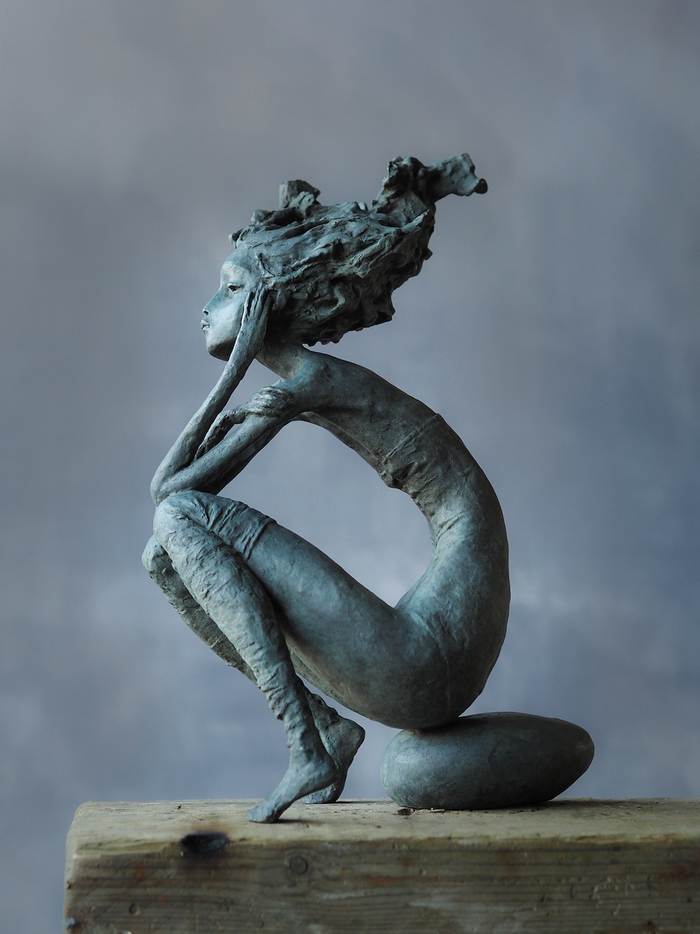
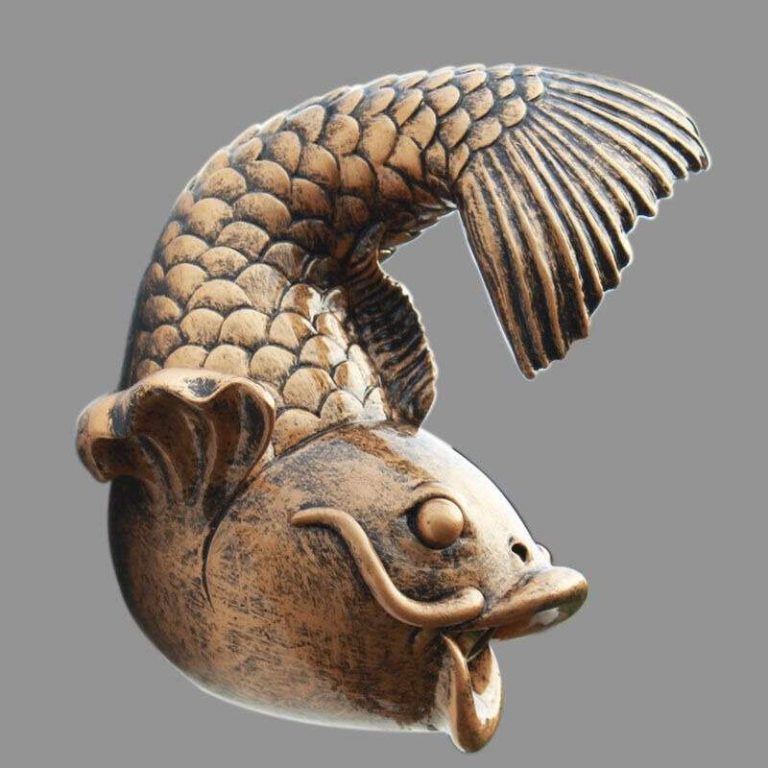
Timothy Schmalz Miniature Sculptures


The Sanctuary in the Palm: Timothy Schmalz’s Miniature Sculptures and Their Grand Narratives
The Sanctuary in the Palm: Timothy Schmalz’s Miniature Sculptures and Their Grand Narratives
In the expansive universe of contemporary art, Timothy Schmalz has carved out a warm and profound niche with his spiritually resonant and formally distinct creations. While the Canadian sculptor is globally renowned for large-scale public works like Homeless Jesus, a significant yet intimately scaled aspect of his oeuvre—his miniature sculptures—holds equal power. These are not mere reductions of larger pieces but condensed poems in bronze, bearing spiritual and narrative weight that far exceeds their physical size. They invite viewers to lean in, to look closely, and to enter a microcosm of profound emotional and theological depth.
Schmalz’s miniatures are, first and foremost, a masterful translation of his artistic language into an intimate format. His signature blend of realism and expressive emotion, so evident in his monumental works, is preserved with astonishing precision on a small scale. Every fold of fabric, tension of muscle, and subtlety of facial expression is meticulously rendered. In his series of Biblical figures, for instance, a prophet’s resolute gaze or a saint’s gesture of compassion is captured within a height of mere centimeters. This technical prowess demonstrates not just skill but a deep, humanist observation distilled into its purest form.
The true power of these works, however, lies in their narrative tension—the grand theme within the tiny vessel. Schmalz compresses universal questions of faith, suffering, compassion, and human connection into handheld forms. This shift in scale demands a different mode of engagement: one of intimacy and focused attention. The viewer does not look up in awe but rather peers into a world. This proximity bridges emotional distance, creating an immediate, personal connection. A miniature depicting a weary traveler receiving aid or a solitary figure in prayer, by virtue of its size, can touch the heart with a directness that larger, more public art sometimes cannot.
Furthermore, these miniatures often serve as “seeds” or “echoes” within Schmalz’s broader artistic practice. They can be the initial maquettes or studies for monumental public installations—the three-dimensional sketches where composition and emotion are first explored. Conversely, they are also faithful reductions of existing landmark sculptures, allowing individuals, collectors, and communities to possess and contemplate these powerful symbols in private or local settings. Thus, the miniature and the monumental exist in a continuous creative and spiritual dialogue, each amplifying the other’s reach and resonance.
Significantly, the subject matter of Schmalz’s miniatures is firmly rooted at the intersection of Christian tradition and contemporary social concern. He revisits classical religious iconography, infusing it with modern relevance. Whether depicting scenes from the Works of Mercy or honoring modern-day “saints” like caregivers, his miniatures make ancient spiritual truths tangible for the present moment. Their small size does not dilute their prophetic or compassionate voice; instead, their portability and suitability for personal spaces allow these messages to permeate daily life more subtly and persistently.
In conclusion, Timothy Schmalz’s miniature sculptures are far more than scaled-down versions of his public art. They are autonomous expressions, amplifiers of emotional intensity, and crystallizations of narrative density. Within the space of a palm, Schmalz constructs micro-sanctuaries that house profound explorations of human vulnerability and strength, despair and redemption, isolation and communion. They ask us to slow down, to bend closer, and to discover that within a reduced physical scale resides an undiminished—and often more intensely felt—macro-narrative of the human and the divine. They stand as a testament that the true measure of artistic and spiritual power is not dimension, but the capacity to hold a complete, trembling universe within the confines of the small and the specific.